People in Wolverhampton are being urged to know the signs and symptoms of meningococcal disease following an outbreak of Meningitis B in Kent which has sadly claimed the lives of 2 young people.
Meningococcal disease is an uncommon but serious illness caused by meningococcal bacteria. Very rarely, these bacteria can lead to meningitis – inflammation of the lining of the brain and spinal cord – and septicaemia, or blood poisoning. The onset of illness is often sudden and early diagnosis and treatment with antibiotics are vital to prevent serious illness which can lead to permanent damage to the brain or nerves
While there is no indication of increased risk locally, residents are asked to be aware of the signs of the disease.
Early symptoms, which may not always be present, can include; sudden onset of high fever; severe and worsening headache; stiff neck; vomiting and diarrhoea; joint and muscle pain; dislike of bright lights; very cold hands and feet; seizures; confusion/delirium; extreme sleepiness/difficulty waking, and a rash that doesn’t fade when pressed with a glass. Please note, this rash my not always be present and can appear differently depending on skin tone.
Meningitis can affect anyone, but is most common in babies, young children, teenagers, and young adults.
Councillor Obaida Ahmed, the City of Wolverhampton Council’s Cabinet Member for Health, Wellbeing and Community, said: “While there is currently no increased risk to people in Wolverhampton, we know how important it is to stay informed and so we’re asking residents to stay alert to the signs and seek medical help immediately if they’re concerned.
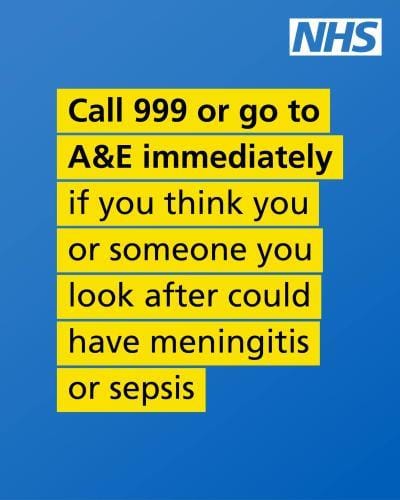
“Anyone with symptoms of meningitis should call 999 or go to A&E straight away. If someone goes to bed unwell, check on them regularly.”
For more information about meningitis and septicaemia, please visit NHS | Meningitis.