
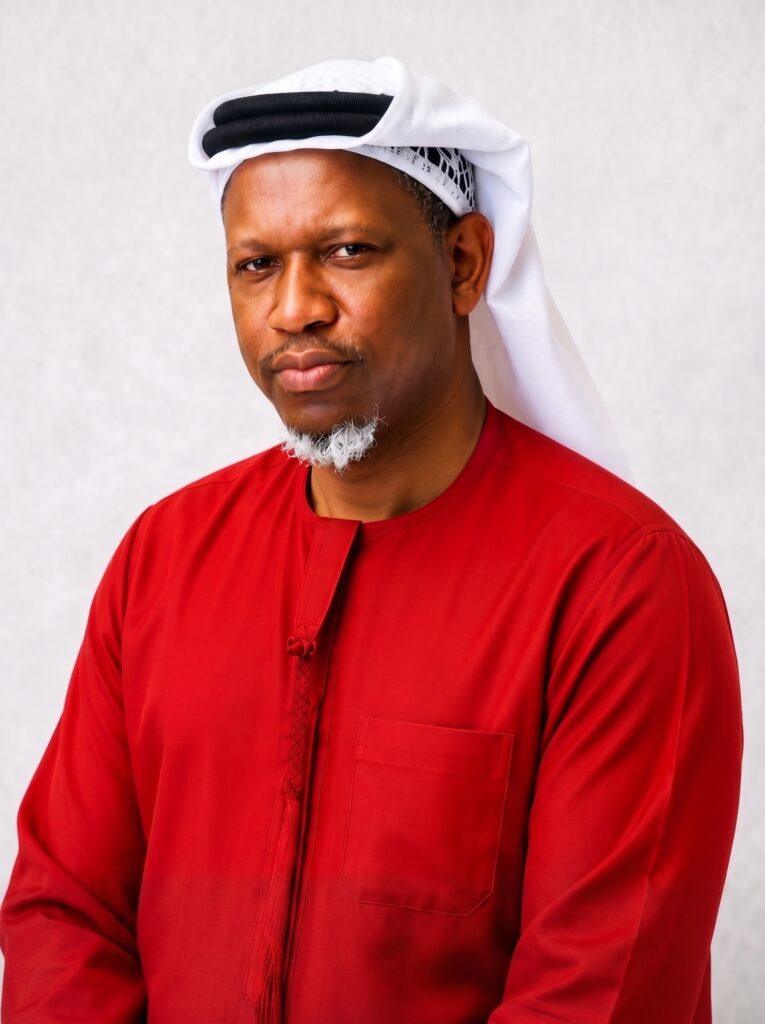
From tackling the cost of living and creating jobs to empowering entrepreneurs and attracting international investment, Prince Ebrahim Sanyang’s vision focuses on unlocking The Gambia’s potential and creating opportunities for ordinary Gambians.
A Country Ready for New Opportunities
The Gambia stands at an important crossroads. Families are concerned about the cost of living, young people need better employment opportunities, farmers want stronger markets, and businesses require reliable infrastructure and access to finance.
The question is how the country can turn its enormous potential into meaningful improvements in everyday life.
Prince Ebrahim Sanyang, leader of the Economic Freedom Fighters–The Gambia (EFF-Gambia), has presented a vision centred on economic opportunity, infrastructure, food security, education, healthcare and business development.
His published experience describes involvement in international commercial negotiations, commodity supply and infrastructure-related initiatives. The challenge ahead is to translate that experience and his proposed policies into measurable improvements for Gambian citizens.
1. Tackling the Cost of Living
Affordable food is essential to family security. Prince Ebrahim’s published track record describes involvement in efforts to mobilise financing and import essential commodities, including rice, sugar and cement.
His movement has also proposed Freedom Stores and a national food buffer-stock system designed to help improve the availability of essential goods and reduce the impact of supply disruptions.
If implemented with transparent procurement, effective storage and fair distribution, these measures could help households manage essential expenses.
The objective should be simple: making everyday necessities more accessible while protecting public resources.
2. Creating Jobs and Opportunities for Young People
The future of The Gambia depends on giving its young people opportunities to learn, work and build successful lives at home.
A practical economic programme could encourage investment, support small businesses, strengthen vocational training and help young entrepreneurs access the knowledge and networks they need.
Prince Ebrahim’s commercial background provides a basis for exploring international business relationships that could benefit the Gambian economy. However, the real measure of success would be jobs created, businesses expanded and skills transferred to local workers.
3. Improving Electricity and Infrastructure
Reliable electricity is essential for households, schools and businesses. Unreliable power and high operating costs can hold back investment and economic growth.
Prince Ebrahim’s published profile discusses engagement connected with electricity infrastructure and international commercial partners.
A forward-looking programme could prioritise stronger electricity networks, renewable energy, improved service reliability and investment that supports economic development.
The aim should be an energy system that enables businesses to grow and communities to prosper, with transparent reporting on costs and results.
4. Strengthening Agriculture, Fisheries and Food Security
The Gambia has opportunities to create more economic value from its agriculture, fisheries and natural resources.
Proposals associated with EFF-Gambia include village cooperative unions, reforms to agricultural marketing and investment in fishing, cold storage and processing.
Combined with better transport, access to markets and agricultural training, such initiatives could help farmers and producers reduce waste, increase incomes and create jobs.
The long-term objective should be to strengthen local production and make more opportunities available to Gambian businesses and communities.
5. Capital Business Hub: Empowering Gambian Entrepreneurs
One of the most notable proposed initiatives associated with Prince Ebrahim’s wider economic vision is a potential partnership with Capital Business Hub (CBH).
Prince Ebrahim is reportedly working towards an agreement that could establish CBH bases across The Gambia, bringing practical business support and international connections closer to local communities.
CBH operates a business-support model designed to go beyond traditional business networking. With more than 11 years of establishment in the United Kingdom, it has reportedly expanded into Pakistan and Kashmir, with further expansion planned in Saudi Arabia and other Middle Eastern countries.
Under the proposed partnership, CBH could help Gambians establish businesses properly, navigate relevant government procedures, develop marketing campaigns, find customers, explore import-export opportunities and connect with potential investors.
It could also support struggling businesses with practical advice, help entrepreneurs identify commercial partners, and assist businesspeople in understanding international business visa requirements.
Free Business Academies: Opening Doors for Disadvantaged Families
A particularly important part of the proposal is the establishment of CBH Business Academies, with the aim of providing free business education and practical training, especially for people from low-income and disadvantaged backgrounds.
Potential courses could cover business planning, registration, budgeting, marketing, digital skills, sales, international trade and attracting investment.
If Prince Ebrahim were elected and the partnership formally established, CBH could seek to work with the government to develop accessible training programmes and connect participants with relevant business support.
The wider ambition would be to help people move beyond unemployment and limited opportunities by equipping them with practical skills to establish businesses, generate income and potentially employ others.
The proposed initiative also includes a CBH Business Magazine, which could promote Gambian businesses, highlight entrepreneurs, share business advice and showcase investment and trading opportunities.
If properly funded and implemented, these initiatives could complement a wider national effort to strengthen entrepreneurship and ensure more Gambians participate in economic growth.
6. Education, Healthcare and Opportunity for All
National development must also mean better access to education and healthcare.
Prince Ebrahim’s published political priorities include free healthcare and education. Delivering these ambitions would require credible funding plans, investment in teachers and healthcare workers, improved facilities and effective public administration.
A phased approach with measurable targets would help ensure that commitments translate into better services for ordinary families.
7. Investment, Tourism and International Partnerships
The Gambia can benefit from responsible investment in tourism, agriculture, manufacturing, aviation, technology and other productive sectors.
Prince Ebrahim’s published profile describes international commercial engagement and investment-related initiatives. The opportunity is to build partnerships that create local jobs, develop skills, strengthen businesses and open new markets.
Whether through CBH’s proposed business network or broader investment relationships, agreements should be assessed on their commercial viability, transparency and actual benefits to Gambian communities.
8. Accountability Must Come First
Ambitious plans require more than promises. Citizens need clear information about budgets, contracts, project progress and public spending.
Any administration should prioritise transparent procurement, independent audits, strong institutions and measurable commitments.For the proposed CBH partnership, useful indicators would include the number of people trained, businesses supported, jobs created and investment opportunities developed.
These results would allow citizens to judge progress through evidence rather than announcements.
Conclusion: Turning The Gambia’s Potential into Progress
Prince Ebrahim Sanyang’s published experience and policy proposals present several areas for discussion, from food security and electricity to entrepreneurship and international investment.
The proposed partnership with Capital Business Hub adds a business-development dimension to that wider vision. Its nationwide support network, potential free Business Academies and international commercial connections could help more Gambians access practical training and business opportunities if the plans are finalised and delivered effectively.
Ultimately, The Gambia’s progress will depend on policies that work, responsible investment, accountable institutions and opportunities that reach people across the country.
The measure of any national vision must be what it delivers: more sustainable jobs, stronger local businesses, better public services and a greater ability for Gambians to build secure futures for themselves and their families.
The opportunity is to turn national potential into practical progress—and ensure that ordinary Gambians have a meaningful place in the country’s economic future.