
Close Menu
  • Home
  • Local
  • Business
  • Technology
  • Health & Fitness
  • Motoring
  • Kids
  • Events
Facebook X (Twitter) Telegram LinkedIn
  • About
  • Contact
  • Privacy Policy
Friday, June 5
Facebook X (Twitter) LinkedIn Telegram
Community ObserverCommunity Observer
  • Home
  • Local
  • Business
  • Technology
  • Health & Fitness
  • Motoring
  • Kids
  • Events
Trending
  • From the Streets to Service: The Remarkable Transformation of Jamil Ahmed 
  • Bloxwich Launchpad shortlisted for prestigious Royal Institute of Chartered Surveyors regional awards
  • Sangha Sisters Launch New ‘First of its Kind’ Wellness Clinic in the UK
  • New Leader and Cabinet for Sandwell Council
  • Introducing Sandwell’s new Mayor – Councillor Margaret Sutton
  • Cha’nir and the Light of Nam By Gurd Chahal
  • Debut performance a big hit for Walsall’s fostering choir: Voices of Hope
  • Ikram Mirza: The Voice Behind Alum Rock’s Community Radio Success
Facebook X (Twitter) Telegram LinkedIn
Community ObserverCommunity Observer
You are at :Home»Health & Fitness»Improved understanding of the biology of eye complications caused by diabetes
Health & Fitness 3 Mins ReadFebruary 16, 2025No Comments4 Views

Improved understanding of the biology of eye complications caused by diabetes

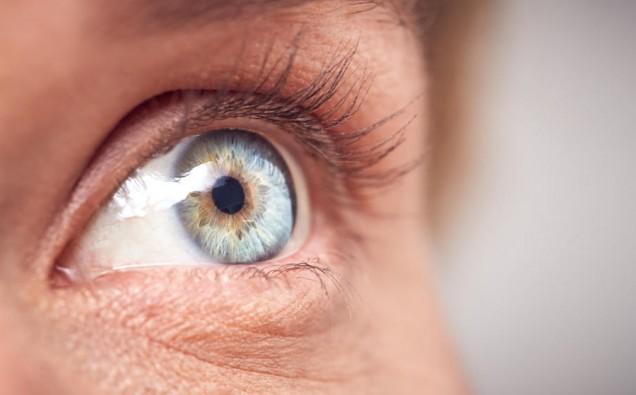
Advances in understanding the basic biology behind the causes of diabetic retinopathy could have potential therapeutic implications later down the line. A recent paper published by the experimental ophthalmology team at the Institute of Inflammation and Ageing in Nature Communications, sheds light on the mechanisms that cause eye damage in as many as 80% of people who have had diabetes for several decades.

Diabetic retinopathy is a complication of diabetes, a result of high blood sugar levels damaging the retina at the back of the eye. It can cause blindness if left undiagnosed and untreated, so regular check-ups are important for diabetic individuals.

Dr Jose Romero Hombrebueno who led the investigation at the Institute of Inflammation and Ageing, University of Birmingham commented:

Since the onset of diabetic retinopathy cannot currently be prevented, there is an urgent need to develop safe and effective therapies for the management of early disease. This work goes some way to doing that by uncovering the mechanisms behind the damage caused by diabetic retinopathy.

Dr Jose Romero Hombrebueno, Hale-Rudd Lecturer in Experimental Ophthalmology, University of Birmingham

The human body needs energy to work. This energy is produced by small ‘batteries’ inside the cells called mitochondria. In healthy people, damaged mitochondria are removed and quickly replaced by new ones, a little like replacing an ineffective battery. This keeps the body working well, including nerves, blood vessels and the immune system. However, in diabetes, this process of mitochondrial turnover is impaired. Consequently, damaged mitochondria accumulate in the retina of diabetic people, putting them at risk of vision loss by causing inflammatory and nerve damage.

The researchers used retina samples from diabetic donors and innovative murine models to explore why mitochondrial turnover is impaired in diabetic retinopathy and report that hyperconnectivity in the retina is to blame. By mimicking this process in retinal cells, they also generated a drug discovery platform which suggest that a drug called Kinetin Riboside may be capable of reactivating mitochondrial turnover to improve their function in diabetes. Early murine studies have shown promise that this drug has potential to prevent nerve deterioration in the retina. Further research would be beneficial, to find out whether this could have potential for treating patients with diabetic retinopathy.

An estimated 537 million around the world are living with diabetes, according to the International Diabetes Federation, this this figure predicted to rise rapidly over the coming decades. Diabetes is a condition where patients’ blood sugar levels are too high because they cannot produce enough insulin or the insulin their bodies make is not effective.

The Birmingham team included PhD candidate Mr Aidan Anderson (first author on the paper) and was funded by Diabetes UK, EFSD/Boehringer Ingelheim, Fight for Sight, Wellcome and the Medical Research Council.


Diabetes Fitness Health Local News
Share. Facebook Twitter LinkedIn Telegram
Previous ArticleYoung Driver makes Swift swap to Suzuki fleet
Next Article Get Fit for Free: New Outdoor Gym Equipment Now Available at 4 Walsall Parks

Related News

2 Mins Read29 Views

From the Streets to Service: The Remarkable Transformation of Jamil Ahmed 

June 5, 2026By admin0
Read More
3 Mins Read0 Views

Bloxwich Launchpad shortlisted for prestigious Royal Institute of Chartered Surveyors regional awards

June 3, 2026By admin0
Read More
3 Mins Read85 Views

Sangha Sisters Launch New ‘First of its Kind’ Wellness Clinic in the UK

June 1, 2026By admin0
Read More
2 Mins Read5 Views

New Leader and Cabinet for Sandwell Council

May 31, 2026By admin0
Read More
2 Mins Read49 Views

Introducing Sandwell’s new Mayor – Councillor Margaret Sutton

May 30, 2026By admin0
Read More
3 Mins Read114 Views

Cha’nir and the Light of Nam By Gurd Chahal

May 28, 2026By admin0
Read More
Add A Comment
Leave A Reply Cancel Reply

Don't Miss
29 Views

From the Streets to Service: The Remarkable Transformation of Jamil Ahmed 

June 5, 2026
0 Views

Bloxwich Launchpad shortlisted for prestigious Royal Institute of Chartered Surveyors regional awards

June 3, 2026
85 Views

Sangha Sisters Launch New ‘First of its Kind’ Wellness Clinic in the UK

June 1, 2026
5 Views

New Leader and Cabinet for Sandwell Council

May 31, 2026
1 2 3 … 237 Next
All Categories
Business (391) Events (137) Health & Fitness (385) Kids Section (90) Local News (680) Motoring (116) Technology (71)
Tags
Apprenticeship (3) Asthma (2) Awards (18) Beauty (4) Birmingham (15) business (263) Cars (89) Community (349) Cricket (2) Education (2) Events (42) Fitness (92) Food (59) Football (2) Fun (18) Funding (1) Funds (7) Grants (3) Hairloss (1) Health (242) Hubs Offer (8) income (18) Internet (6) Local (96) Local News (555) Mental health (80) Mobile (2) Money (2) Motoring (88) News (49) Outdoor (3) Pensioners (1) Phone (2) Salary (2) Sandwell (47) School’s (1) Smoking (1) Solihull (20) Sports (5) Tech (59) trade (70) Travel (1) Walsall (94) Wolverhampton (169) Youth (30)
Stay In Touch
  • Facebook
  • Twitter
  • LinkedIn
  • Telegram
Facebook X (Twitter) Telegram LinkedIn

About Us

Community Observer provides vital local news, health tips, business updates, and insights on healthy food.

This free quarterly print edition, promoting well-being and community engagement, is available at major Birmingham supermarkets and local businesses.

For advertising email : sales@communityobserver.co.uk

Got a story? Email editor@communityobserver.co.uk

Our Picks

  • Local News
  • Business
  • Technology
  • Health & Fitness
  • Kid's Section
  • Events
  • About Us
  • Contact Us
  • Privacy Policy

Latest News

2 Mins Read29 Views

From the Streets to Service: The Remarkable Transformation of Jamil Ahmed 

June 5, 20260
3 Mins Read0 Views

Bloxwich Launchpad shortlisted for prestigious Royal Institute of Chartered Surveyors regional awards

June 3, 20260
3 Mins Read85 Views

Sangha Sisters Launch New ‘First of its Kind’ Wellness Clinic in the UK

June 1, 20260
Copyright © 2026 . Community Observer. All Rights Reserved.
  • Privacy Policy
  • Help & Support
  • Terms & Conditions

Type above and press Enter to search. Press Esc to cancel.